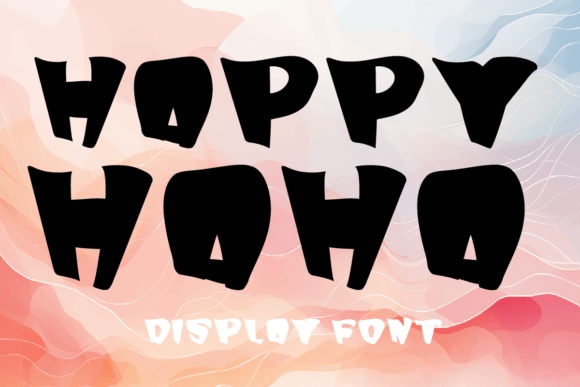
Happy Haha Font
Happy Haha is a display font that brings a sense of fun and whimsy to digital design. Its playful capital letters and numbers make it ideal for web designers looking to add character to headers, buttons, and branding elements. Whether you're crafting a creative portfolio or designing an online store, Happy Haha offers a unique visual identity that stands out.
Happy Haha for Creative Portfolio Websites and Branding
For web designers and digital creators, Happy Haha is a powerful tool when used in creative portfolio websites. Its bold, expressive style adds energy to project titles, section headings, and logo text. When paired with a clean sans serif font for body copy, it creates a balanced visual hierarchy that guides users through the content while maintaining a cohesive brand tone.
The font’s personality makes it perfect for branding projects that aim to convey approachability and joy. It works well on landing pages, especially for startups, lifestyle brands, or educational platforms that want to connect emotionally with their audience. Using Happy Haha in hero sections can instantly elevate the visual appeal of a site without overwhelming the user experience.
Happy Haha for Online Store Banners and Product Pages
Online store owners can benefit from using Happy Haha in banners, product titles, and promotional graphics. Its lively style draws attention and helps create a memorable shopping experience. When placed on dark backgrounds or image overlays, the font maintains readability while adding a touch of personality to the design.
On mobile screens, Happy Haha performs well when used in short phrases or call-to-action buttons. Its clear letterforms ensure that even on smaller devices, the message remains legible and engaging. For e-commerce sites, this font can be used to highlight special offers, new arrivals, or seasonal promotions, making the content more visually appealing and easier to scan.
Happy Haha for Coaching Websites and Digital Course Pages
Coaching websites and digital course pages often rely on fonts that inspire trust and positivity. Happy Haha fits this need by offering a friendly yet professional look. It works well as a heading font for course titles, testimonials, or success stories, helping to build a sense of community and motivation.
When used in conjunction with a serif or sans serif font for body text, Happy Haha enhances the overall aesthetic of the page without compromising readability. This combination is especially effective for blog-style content, where a mix of decorative and functional typography supports both visual interest and user engagement.
Happy Haha for Social Media Graphics and Digital Ads
Social media graphics and digital ads require fonts that grab attention quickly. Happy Haha’s distinctive style makes it a great choice for headlines, captions, and promotional banners. Its boldness ensures that the message is clear and impactful, even when viewed on small screens or in fast-moving ad formats.
Designers can use Happy Haha to create eye-catching visuals for Instagram posts, Facebook ads, or LinkedIn content. Its playful nature aligns well with brands that want to appear modern and approachable. By incorporating this font into social media assets, creators can reinforce their brand identity across multiple platforms.
Happy Haha for Blog Headers and Content Sections
Blogs and content-driven websites can use Happy Haha to break up long blocks of text and add visual interest. As a header font, it provides a strong focal point that draws readers into the content. When used in subheadings or section dividers, it helps organize information while keeping the layout dynamic and engaging.
For bloggers and content creators, Happy Haha offers a way to differentiate their work from competitors. Its unique style allows for creative experimentation, such as combining it with a minimalist typeface for a modern, clean look. This flexibility makes it suitable for a wide range of content types, from lifestyle blogs to tech reviews.
Happy Haha for Logo Design and Brand Identity
Logo design is one of the most impactful uses of Happy Haha. Its expressive characters lend themselves well to creating memorable and recognizable brand marks. Whether used alone or combined with other elements, the font adds a sense of creativity and individuality to any logo.
For businesses looking to establish a strong online presence, Happy Haha can be part of a broader brand identity strategy. It pairs well with other fonts to create a cohesive visual language that reflects the brand’s values and personality. When used consistently across websites, marketing materials, and digital assets, it reinforces brand recognition and trust.
Happy Haha for Web Design Projects and UI Elements
Web designers can integrate Happy Haha into UI elements such as buttons, navigation menus, and form labels. Its bold strokes and playful curves add a layer of visual interest that enhances the overall user experience. When used in moderation, it prevents the design from feeling too rigid or corporate.
For UI designers, the font is particularly useful in applications that target younger audiences or creative industries. It can be used to highlight interactive elements, making them more noticeable and inviting. However, it’s important to balance its use with more neutral fonts to maintain clarity and usability.
Happy Haha for Commercial Font Licensing and Web Use
When using Happy Haha in commercial projects, it’s essential to check the licensing terms to ensure compliance. Most display fonts like Happy Haha are available for purchase with commercial licenses that allow use on websites, client projects, and digital templates. This makes it a versatile choice for designers who want to incorporate it into various design workflows.
For web designers, ensuring that the font is available in webfont formats (such as WOFF or TTF) is crucial for seamless integration. Proper licensing also protects both the designer and the client, avoiding potential legal issues down the line. Always verify the font’s availability and usage rights before implementing it in a live project.